

THE HOMESTEAD PHILOSOPHY
A More Personal Approach to Education
At Homestead Elementary, we believe meaningful learning begins by recognizing that every child is different. Children develop at different rates, learn in different ways, and bring their own strengths, interests, and challenges to the learning environment.
Our approach combines the guidance of certificated teachers with small learning groups, individualized instruction, focused academic time, and active family involvement. Rather than trying to recreate a traditional school day, we have created a learning center environment designed around how children learn and grow.
These principles work together to define the Homestead experience.
Meet Each Child Where They Are
Learning begins with the individual child.
Children do not all learn the same material at the same pace. At Homestead, teachers have the flexibility to identify where each learner is academically and provide instruction appropriate to their current abilities and needs.
When a child needs more time with a concept, we can provide it. When they demonstrate understanding and are ready to move forward, they can be appropriately challenged without waiting for the rest of a class to catch up.
The objective is meaningful individual progress rather than simply keeping pace with a predetermined classroom schedule.
Individual ability • Appropriate challenge • Personal attention • Meaningful progress

Small Groups Create Greater Opportunity
More interaction. More participation. More individual attention.
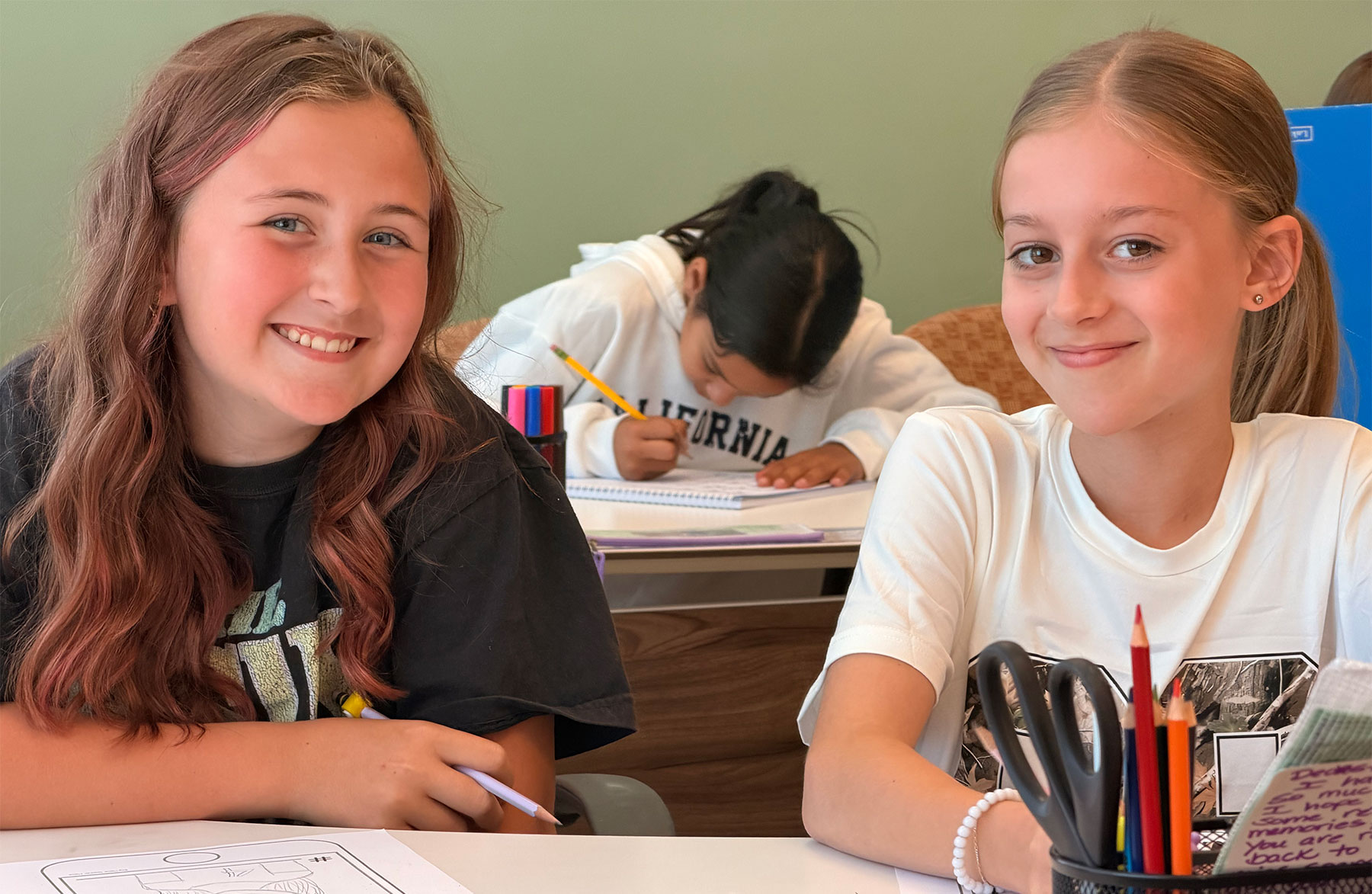
Our low student-to-teacher ratio is an important part of the Homestead environment. Smaller learning groups allow teachers to know their learners individually and provide a level of interaction that can be difficult to achieve in a larger classroom.
Teachers can more readily recognize when a child needs additional explanation, encouragement, practice, or greater challenge.
Children also have more opportunities to ask questions, participate in discussions, and become active participants in their own education.
Small groups • Teacher accessibility • Active participation • Individual support

Make Learning Time Meaningful
A focused environment makes better use of a child's day.
A learning center does not need to replicate the highly structured schedule of a traditional school day.
Homestead minimizes many of the transitions, large-group procedures, administrative routines, and interruptions that can consume significant portions of the day in larger educational environments. This allows learning to move more naturally between subjects, activities, discussion, and individual instruction.
Our goal is not to fill a child’s day with more hours. It is to make the hours spent learning more purposeful.
Focused instruction • Fewer transitions • Flexible learning • Purposeful time

Understanding Comes Before Moving On
Learning is more than completing an assignment.
True academic progress happens when a child understands what they are learning, not simply when the lesson, worksheet, or chapter has been completed.
Our teachers encourage learners to ask questions, explore ideas, make connections, and develop a genuine understanding of the material.
If a concept needs additional attention, there is room to revisit it. When understanding is demonstrated, the learner can continue forward and take on new challenges.
This helps create a stronger academic foundation while encouraging curiosity and critical thinking.
Understanding • Mastery • Critical thinking • Academic growth

Parents Are Part of the Learning Team
Children benefit when parents and teachers work together.
We believe parents should have a meaningful role in their child’s education rather than experiencing it primarily through assignments and report cards.
Our model intentionally creates opportunities for parents to remain connected to what their child is learning. Asynchronous Fridays allow families to participate directly in academic activities and gain firsthand insight into their child’s progress, strengths, and areas where additional support may be helpful.
Teachers and parents can then work collaboratively, sharing observations, discussing progress, and establishing goals based on a much fuller understanding of the child.
Parent involvement • Teacher collaboration • Communication • Shared goals

Progress Is More Than a Report Card
Growth is best understood through communication and observation.
A report card can provide useful information, but it represents only one snapshot of a child’s educational progress.
At Homestead, we place greater emphasis on ongoing communication between teachers, parents, and learners. Parent-teacher conferences provide dedicated opportunities to discuss academic development, recognize accomplishments, identify challenges, and establish goals together.
This collaborative approach helps families understand not simply what a child has accomplished, but how they are developing as a learner.
Ongoing evaluation • Parent conferences • Individual growth • Meaningful feedback

Develop Confident, Independent Learners
Education should prepare children to continue learning.
Academic knowledge is important, but so are curiosity, confidence, responsibility, and independence.
Within a supportive environment, children are encouraged to ask questions, solve problems, make thoughtful choices, and gradually take greater responsibility for their work.
As learners experience progress and discover what they are capable of accomplishing, they begin developing confidence in their own ability to learn.
Our goal is not simply to help children succeed while they are at Homestead. It is to help them develop the skills and confidence to succeed wherever their educational journey takes them next.
Confidence • Responsibility • Independence • Lifelong learning
